How to Start a Waste Management Business in Estonia: 2027 Guide
How do you start a waste management business in Estonia? Register the Estonian company, define whether you will collect, transport, broker, trade, recover or dispose of waste, then confirm the correct Environmental Board registration or environmental permit before beginning that activity. Professional waste transport itself can require waste-handler registration; treatment and disposal operations may require an environmental permit through KOTKAS. Each waste stream and activity must be assessed separately.
This guide explains how to start a waste management company in Estonia, choose a workable business model, register the activity, apply for an environmental permit where needed, plan waste records and build a compliant operating process. Company registration is only the commercial starting point. The Environmental Board determines the environmental authorisations for the actual activity.
What type of waste management company can you start?
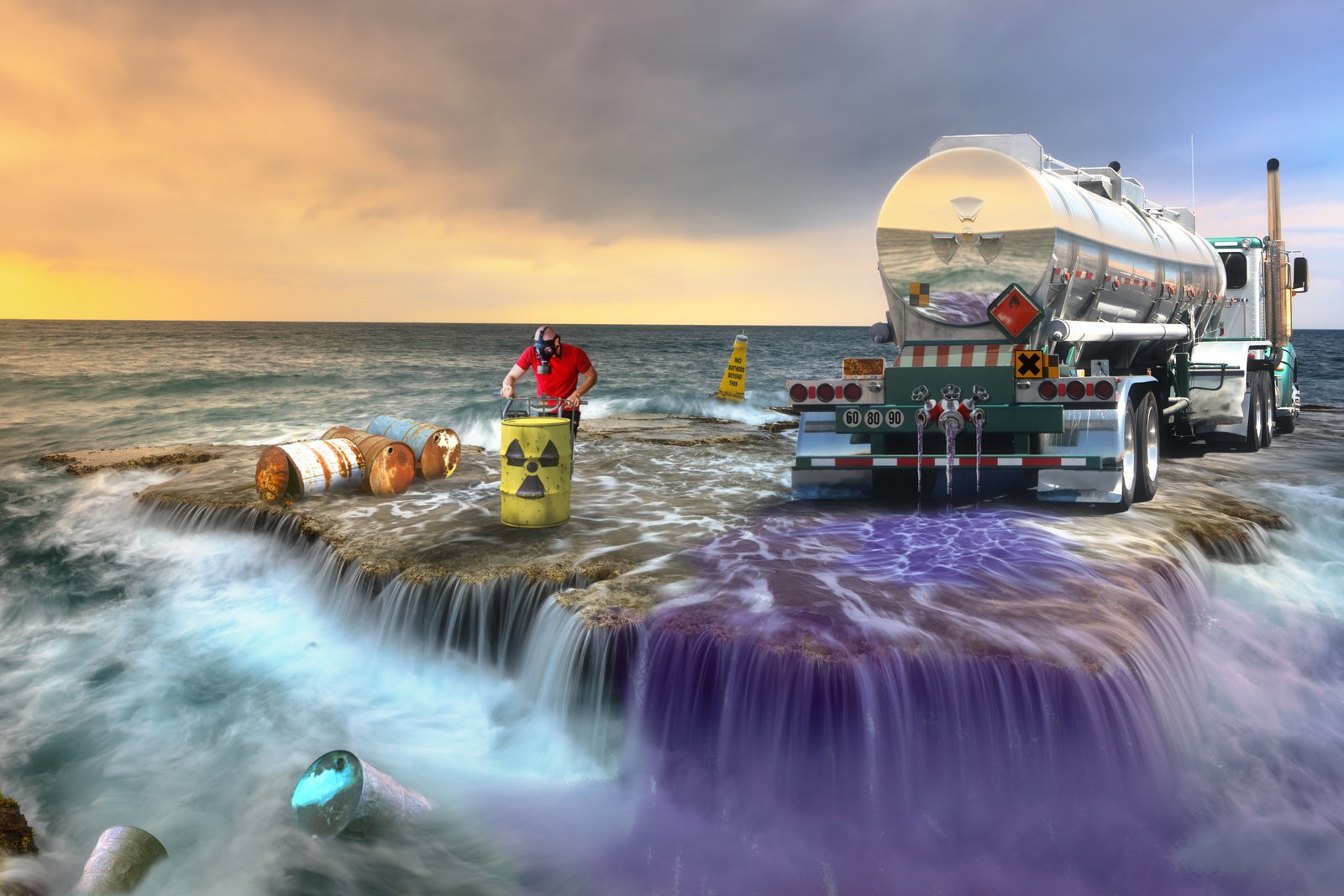
“Waste management business” covers several commercially and legally different activities. A start-up might offer commercial waste collection, transport waste to a permitted facility, act as a waste broker arranging recovery or disposal for customers, trade waste without physically handling it, operate a sorting or recycling site, process construction materials, or manage hazardous waste. A company can combine activities, but the authorisations must cover each role and relevant waste type.
Start with a process map: identify waste codes and characteristics, who produces the waste, where it is temporarily stored, who transports it, where it goes next and whether the company changes its properties. Also record quantities, sites, equipment, transport routes and whether waste crosses a national border. This is the information that helps the Environmental Board distinguish a registrable activity from one requiring an environmental permit.
Waste management is also a chain of responsibility. Customers need to know which operator accepts a waste stream and which authorised facility receives it. The Environmental Board warns that waste may not be handed over to an operator lacking the corresponding valid registration or permit. Build counterparty checks into onboarding, not just annual audits.
Planning a waste management business in Estonia?
Discuss the Estonian company and administration steps with Eesti Consulting before you invest in premises or equipment.
Step 1: Register the Estonian company and prepare the business model
Choose a legal form after considering ownership, liability, financing, planned contracts and reporting. Many foreign founders use an Estonian OÜ, while a sole proprietor can suit a smaller owner-led service. The company registration in Estonia guide covers the incorporation workflow. Founders with a compatible Estonian digital identity can use the e-Business Register; otherwise another signing method may be needed. Read the e-Residency guide and official e-Business Register. e-Residency is a digital identity, not a residence permit or environmental approval.
Set the company’s activity descriptions and practical scope to match what it will actually do. Decide which company will contract with waste producers and receiving facilities, whether vehicles and sites will be owned or subcontracted, and who will control compliance. If you buy an existing company, due diligence should include its company record, accounts and environmental authorisations; see our ready-made company Estonia page.
International founders may also need an Estonian registered address and contact-person arrangement. See legal address in Estonia, contact person services and the Power of Attorney guide if representatives need authority to handle documents. These services support company administration; they do not satisfy environmental permit conditions.
Step 2: Determine whether waste-handler registration is required
The Environmental Board lists professional or economic transport and collection of waste, waste brokerage, waste dealing and certain recovery or disposal activities among those for which a waste-handler registration may be required. Applications are submitted through the environmental information system KOTKAS. The official registration of a waste handler page sets out the categories and process. It states that an application meeting the requirements is normally decided within 30 days, but confirm the current expected schedule and exact application requirements directly before committing to a start date.
Registration is not a universal “waste business licence.” It covers the registered operator and activity, while the specific waste streams, locations and conditions must be addressed. The Board may tell the applicant that an environmental permit is required instead or in addition. A registration application pending review does not itself give the company a right to perform an activity that requires an authorisation.
A broker or dealer may not handle, store or transport the waste under the limited role described by the Board. If the business actually takes possession, transports or processes the waste, check whether its real conduct requires additional registration or a permit. Contract wording should match the operational facts.
Need help separating company setup from permits?
We can help organise the Estonian company-side questions. The Environmental Board decides the waste-handler registration and permit route.
Step 3: Check if the operation needs an environmental permit
Some operations require an environmental permit for waste management. The Environmental Board describes permit-required activities including recovery or disposal of non-hazardous waste, hazardous waste and metal waste in economic activity, mining or extractive-waste operations, landfill operation and landfill aftercare. A permit may also set limits for quantities, waste codes, technology, storage and monitoring. Read the Board’s environmental permit guidance for the waste sector and check the current Waste Act and conditions with the authority.
The permit route matters especially for recycling plants, sorting and treatment facilities, construction-waste processing, hazardous-waste activities and disposal operations. A “recycling” label does not make the activity permit-free: define the treatment operation and the status of the material after processing. A by-product or end-of-waste claim must not be assumed merely because a business intends to sell recovered material.
KOTKAS is the official environmental decisions system used for applications and permit information. Before signing a site lease, confirm that planning, land use, building, fire-safety, water and pollution-control requirements can support the proposed facility. An environmental permit does not automatically replace zoning, construction or other permissions.
Where the company will move waste across borders, additional shipment controls apply. The Estonian Environmental Board is the competent authority for controlled imports, exports and transit. The route depends on waste classification, destination, purpose and applicable EU rules. Consult its transboundary waste shipment guidance before accepting an international shipment. A waste-transport operator engaged in cross-border movements must also hold the relevant waste-handler registration.
Step 4: Prepare the application file and operating procedures
There is no single checklist for every waste-management registration or permit. Build an evidence folder that describes the planned activity clearly and consistently. Depending on the case, prepare:
- company data, responsible contact persons and activity description;
- waste codes, estimated types and annual quantities, including hazardous characteristics where relevant;
- collection, transport, storage, sorting, recovery or disposal process flow;
- facility location, layout, capacity, equipment and containment arrangements;
- proposed receiving facilities, downstream operators and customer contract model;
- monitoring, recordkeeping, incident response, spill prevention and staff procedures;
- financial security or other supporting documents if the permit conditions require them;
- cross-border shipment documentation, when relevant to the planned service.
Use current application forms and KOTKAS requirements. Do not file a generic project description that hides which waste is accepted or how it is handled. If the permit has quantity limits, align customer contracts and sales forecasts with those limits. If the operation changes after approval, assess whether a registration update or permit amendment is needed before the change.
Step 5: Build traceability, contracts and reporting into daily operations
Set up a traceable record from collection to destination. Record who transferred the waste, the description and amount, transport details, dates, receiving facility and any required shipment documents. A business should be able to reconcile collected volumes with accepted, recovered, stored or disposed quantities. The Environmental Board’s waste management overview includes links to waste-related services, reporting and permits.
Contracts with customers, carriers and facilities should identify responsibility for classification, packaging, loading, transport, acceptance, rejected loads and records. Check the receiving party’s valid registration or permit for the specific activity and waste stream. A customer’s instruction does not override the operator’s duties to classify and handle waste correctly.
Plan capacity and cash flow alongside compliance: vehicle routes, fuel, site rent, containers, weighing, maintenance, employee training, insurance and environmental charges can influence margins. Some permit holders have environmental charge declarations. The Environmental Board notes that obligations can also apply to activities that should have held a permit even where one was not obtained. See its environmental charge guidance.
Organising the financial side of a waste business?
Discuss bookkeeping, VAT and Estonian company administration for the planned operation with our team.
Tax, VAT and business administration
Environmental authorisations and tax registrations are separate. An Estonian company may need to monitor the VAT registration threshold and the place-of-supply rules for its services. Domestic collection, cross-border haulage, brokerage, facility operations and sales of recovered materials may not have identical VAT treatment. Review our pages on VAT registration in Estonia and accounting services; confirm the tax treatment with EMTA or a qualified tax adviser.
Founders who need customs procedures for imported equipment or international waste movements should review how to get an EORI number in Estonia. If the company uses a bank or payment provider, prepare a transparent description of the waste streams, counterparties, sites, contracts and source of funding. Our high-risk business banking guide explains why financial institutions may ask for detailed KYC documentation.
For incorporation, compare the standard company route with buying a ready-made company. For remote management, read about Power of Attorney in Estonia. Company formation and admin support do not replace authorisations issued by the Environmental Board.
Common mistakes when starting a waste management business
- Assuming every activity uses the same waste-handler registration and no environmental permit.
- Submitting an application before defining waste codes, capacities, sites and downstream operators.
- Starting activity before the required registration confirmation or permit is in force.
- Accepting waste from or transferring waste to a party without checking the matching authorisation.
- Confusing a broker/dealer role with physically transporting, storing or processing waste.
- Planning an overseas shipment before checking notification, consent and shipment-document requirements.
- Using “recycling” or “recovered material” as a commercial description without confirming the legal status.
- Forgetting annual reporting, record retention, environmental charges or permit limits.
Have a waste-sector project in Estonia?
Use the online chat for company registration and administration questions. For environmental permits, we’ll direct you to the Environmental Board’s official process.
Frequently asked questions
Do I need a waste permit to transport waste in Estonia?
Professional or economic waste transport is among the activities for which the Environmental Board says waste-handler registration is required. A separate environmental permit may also apply if the business performs recovery, disposal or another permit-controlled operation. Ask the Board to assess the exact service and waste types.
Is registration enough to operate a recycling facility?
Not necessarily. Recovery or disposal operations can require an environmental permit. Facility location, process, waste type and capacity determine the applicable route. Verify it in KOTKAS and with the Environmental Board before construction or operation.
Where do I apply for waste-handler registration?
The Environmental Board directs applicants to the KOTKAS environmental decisions information system. Use its current forms and instructions and wait for the confirmation or permit decision required for the activity.
Can I broker waste without transporting it?
The Board lists brokerage as a registrable role where the broker arranges recovery or disposal for others but does not itself transport, store or otherwise handle the waste. If the real operation includes physical handling, check the additional authorisation needs.
Can an Estonian company export waste to another country?
Some shipments require prior written notification and consent; others are subject to general information requirements. The classification, destination, recovery or disposal purpose and current EU shipment rules determine the route. Consult the Environmental Board before arranging transport.
How long does registration or a permit take?
The Environmental Board’s registration page states a 30-day decision period for a compliant registration application. Permit processing depends on the case and procedure. Confirm current timing with the authority and do not commence an activity until its required authorisation is in force.
Summary: define the waste activity before launch
To start a waste management business in Estonia, define the exact activity and waste stream, register the company, then obtain the matching waste-handler registration or environmental permit through the Environmental Board’s process. Prepare traceability, downstream operator checks, contracts, reporting and financial controls before accepting waste. Verify any cross-border shipments separately.
This is general business information, not an environmental permit decision or legal advice. The Environmental Board is the competent authority for waste registrations and permits. Eesti Consulting can discuss the Estonian company and administration side of your plan.
Ready to structure your Estonian business?
Talk with Eesti Consulting about company registration, address, accounting and administration. Confirm environmental permissions with the Environmental Board.