How to Budget for a Retail Store Fit-Out Without Overspending
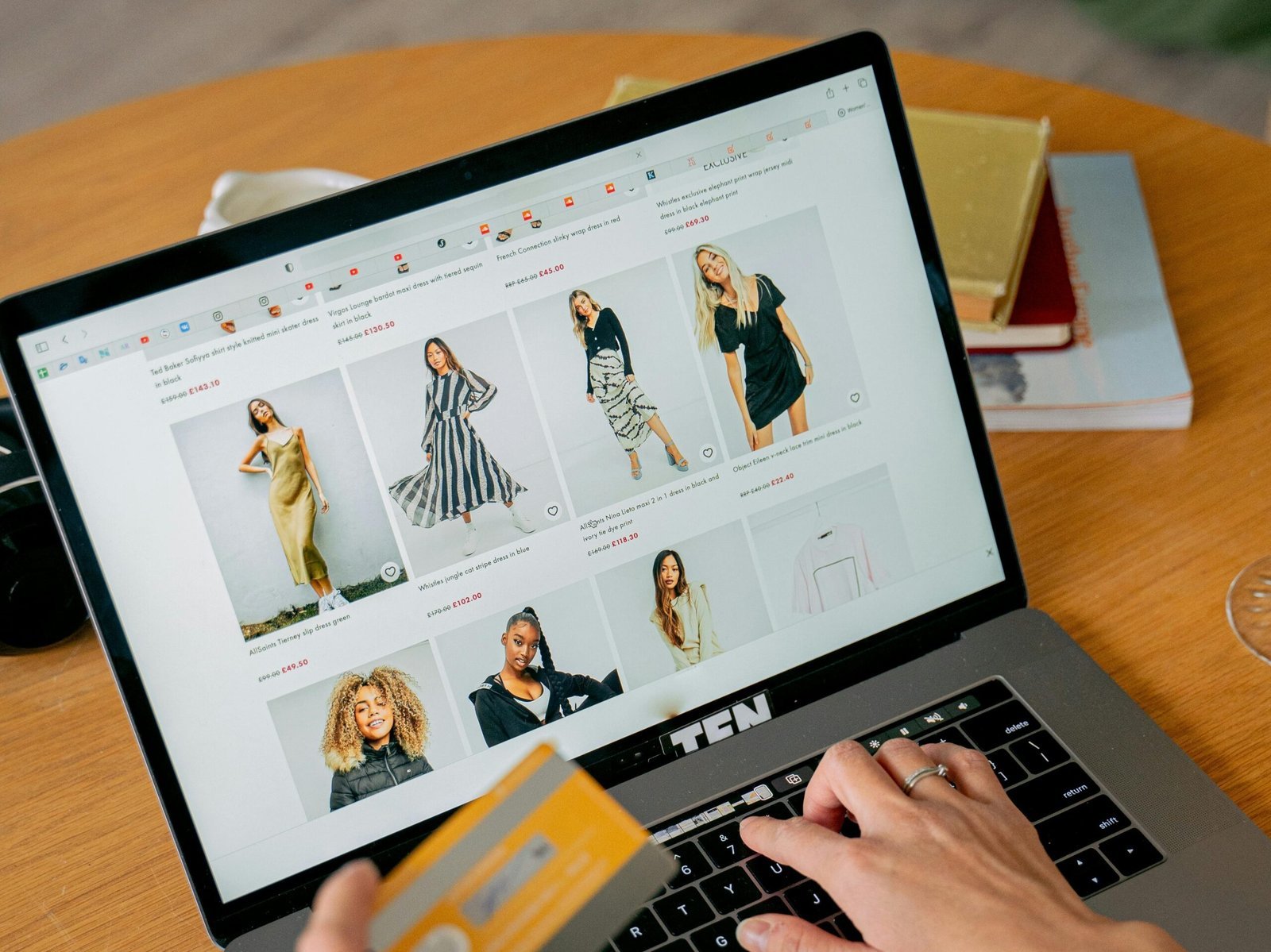
Starting an online store is exciting, but many entrepreneurs focus on products, marketing and website design while overlooking the business foundations that support long-term success.
Before launching, it is important to establish the right company structure, understand your tax obligations and consider where your business should be registered. Factors such as VAT requirements, accounting responsibilities, payment processing and cross-border sales regulations can have a significant impact on both costs and future growth.
A successful eCommerce business is built on more than just sales. Taking the time to address legal, financial and operational considerations from the beginning can help avoid costly mistakes and create a stronger foundation for sustainable growth. Start Amazon business in the EU.
Start With Your Store Objectives Before Setting a Budget
Before allocating a single dollar, define what the store needs to achieve.
A convenience store, supermarket, pet store and pharmacy all have very different fit-out requirements. Product size, inventory volume, customer traffic and merchandising strategies will influence how much needs to be invested.
Questions worth answering early include:
- How many products will be displayed?
- What types of shelving will be required?
- Will the store need checkout counters?
- How much stock will be stored on the shop floor?
- Is future expansion likely?
Retailers who start with clear operational goals often make better purchasing decisions because every expense can be measured against a specific business need.
Break the Budget Into Major Fit-Out Categories
One of the easiest ways to lose control of spending is treating the fit-out as a single expense.
Breaking costs into categories creates visibility and helps identify areas where adjustments can be made if necessary.
| Cost Category | Typical Inclusions |
|---|---|
| Shelving & Displays | Gondola shelving, wall shelving, display units |
| Shop Fixtures | Counters, display cabinets, service areas |
| Flooring | Vinyl, tiles, timber flooring |
| Lighting | General lighting and feature lighting |
| Electrical Works | Wiring, power points, compliance work |
| Signage & Branding | External and internal signage |
| Installation | Labour and assembly costs |
| Contingency | Unexpected project expenses |
Creating separate budgets for each category reduces the likelihood of unexpected overspending later in the project.
Calculate Shelving Costs Early to Avoid Budget Blowouts
Shelving is often one of the largest investments in a retail fit-out.
Unfortunately, it is also one of the most commonly underestimated costs. Retailers frequently focus on floor space while overlooking factors such as shelving depth, shelf quantities, accessories, end bays and installation requirements.
The earlier shelving costs are calculated, the easier it becomes to create an accurate fit-out budget.
Retailers can use tools that help them calculate gondola shelving costs before finalising store layouts. This provides a clearer understanding of expected investment levels and allows budget adjustments before purchasing decisions are made.
Early planning also helps avoid costly redesigns once installation begins.
Common Retail Fit-Out Expenses That Are Often Forgotten
Many budget overruns come from costs that were never included in the original estimate.
Consider the following examples:
Freight and Delivery
Large shelving systems and fixtures often require specialised transport. Delivery expenses can vary significantly depending on location and order size.
📌 Installation Labour
Some retailers budget for products but forget to account for installation time and labour costs.
📌 Compliance Requirements
Electrical upgrades, accessibility requirements and safety compliance work can create unexpected expenses during the fit-out process.
📌 Technology Systems
Point of sale equipment, security systems, networking infrastructure and payment terminals are frequently overlooked.
📌 Future Expansion
Stores often grow faster than anticipated. Choosing systems that can expand later may reduce future costs.
Small overlooked expenses can collectively become one of the largest causes of budget overruns.
Where Retailers Can Reduce Costs Without Sacrificing Store Quality
Reducing costs does not automatically mean reducing quality. In many cases, spending can be lowered through better planning rather than cheaper products.
Some practical approaches include:
- Simplify aisle layouts to reduce unnecessary shelving.
- Standardise shelving systems throughout the store.
- Choose modular fixtures that can be reconfigured later.
- Avoid excessive custom-built displays.
- Phase non-essential upgrades into future stages.
- Purchase systems designed for long-term use.
Retailers often achieve better financial outcomes when they focus on functionality first and aesthetics second.
Why Good Shelving Planning Saves Money Long Term
A retail fit-out should be viewed as a long-term investment rather than a one-time expense.
Poor shelving decisions often create ongoing costs through replacements, store reconfigurations and inefficient use of floor space.
Well-planned shelving systems can deliver benefits such as:
- Improved stock capacity
- Faster replenishment
- Better customer navigation
- Easier merchandising updates
- Reduced future refurbishment costs
Choosing flexible systems from the beginning often proves more economical than replacing unsuitable fixtures later.
How Mills Shelving Helps Retailers Control Fit-Out Costs
Many retail fit-out budgets become difficult to manage because retailers are forced to make decisions without accurate shelving information.
Mills Shelving helps simplify that process by providing shelving solutions designed specifically for retail environments.
Their systems support:
- Supermarkets
- Convenience stores
- Pet stores
- Liquor stores
- Pharmacies
- Specialty retail stores
Beyond supplying shelving, Mills Shelving assists retailers with layout planning, shelving configuration and installation support.
Because the shelving systems are modular, retailers can expand or reconfigure stores without replacing entire shelving runs. That flexibility helps reduce long-term costs and supports future growth.
Fast delivery, available stock and practical retail experience also help retailers avoid many of the delays and budget surprises that commonly affect fit-out projects.
Final Budgeting Checklist Before Starting Your Fit-Out
Before committing to suppliers and purchases, review the following checklist:
📋 Final Budgeting Checklist Before Starting Your Fit-Out
💰 Confirm total project budget
📂 Separate costs into categories
🛒 Calculate shelving requirements
🚚 Include delivery and freight expenses
🔧 Include installation costs
💻 Budget for technology systems
🛡️ Allocate contingency funds
📈 Review future expansion requirements
⏳ Confirm supplier lead times
📐 Finalise store layout plans
Completing these steps can significantly reduce the risk of unexpected spending during the fit-out process.
Do you want to sell in Europe? Choose Estonia as your company location.
For entrepreneurs looking to enter the European market, Estonia offers one of the most modern and business-friendly environments in the EU. Through the e-Residency programme, founders from almost anywhere in the world can establish and manage an Estonian company entirely online without relocating to Estonia.
One of the biggest advantages of an Estonian company is its unique corporate tax system. Profits retained within the business and reinvested into growth are generally not subject to corporate income tax. Taxation is deferred until profits are distributed as dividends, allowing companies to scale more efficiently and preserve cash flow during the growth phase.
Estonia is also an attractive option for eCommerce businesses that plan to sell across the European Union. As an EU-based company, you can access European payment providers, build trust with customers and simplify many aspects of cross-border trade.
For online sellers, VAT compliance is a crucial consideration. An Estonian company can register for VAT when required and participate in the EU VAT framework, including the One Stop Shop (OSS) scheme, which allows eligible businesses to report and pay VAT for sales to consumers across multiple EU countries through a single system rather than registering separately in every member state.
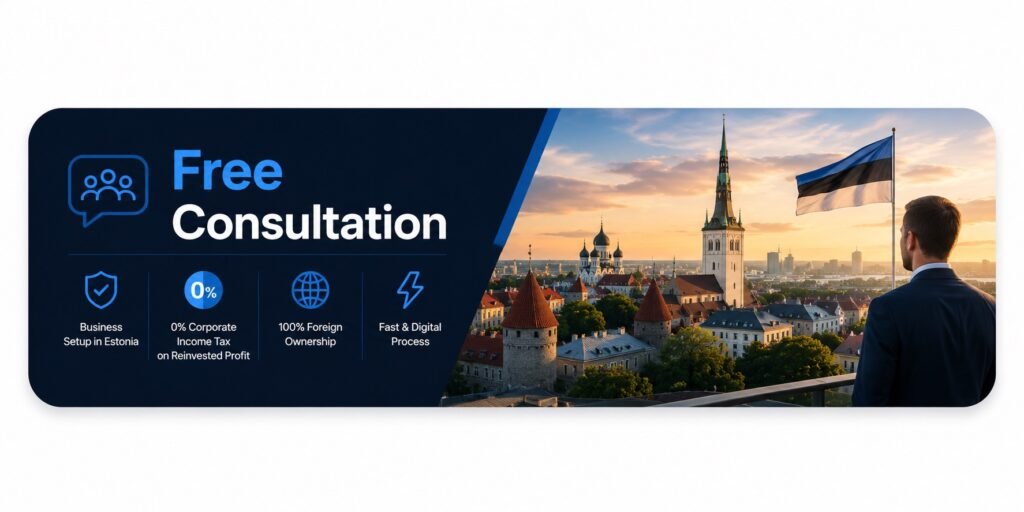
Combined with digital company management, online administration and a transparent legal framework, Estonia remains one of the most attractive jurisdictions for entrepreneurs building international online businesses.
Before launching your online store, it is worth considering not only your products and marketing strategy but also where your company will be registered. The right business structure can make expansion into European markets significantly easier.
Conclusion
Retail store fit-outs rarely go over budget because of one major expense. More often, costs increase through a series of small oversights and unplanned decisions.
Retailers who define their objectives early, calculate shelving requirements accurately and account for hidden expenses generally achieve far better financial outcomes.
A well-planned fit-out creates a store that functions efficiently from day one, while also providing the flexibility to grow without unnecessary future costs.